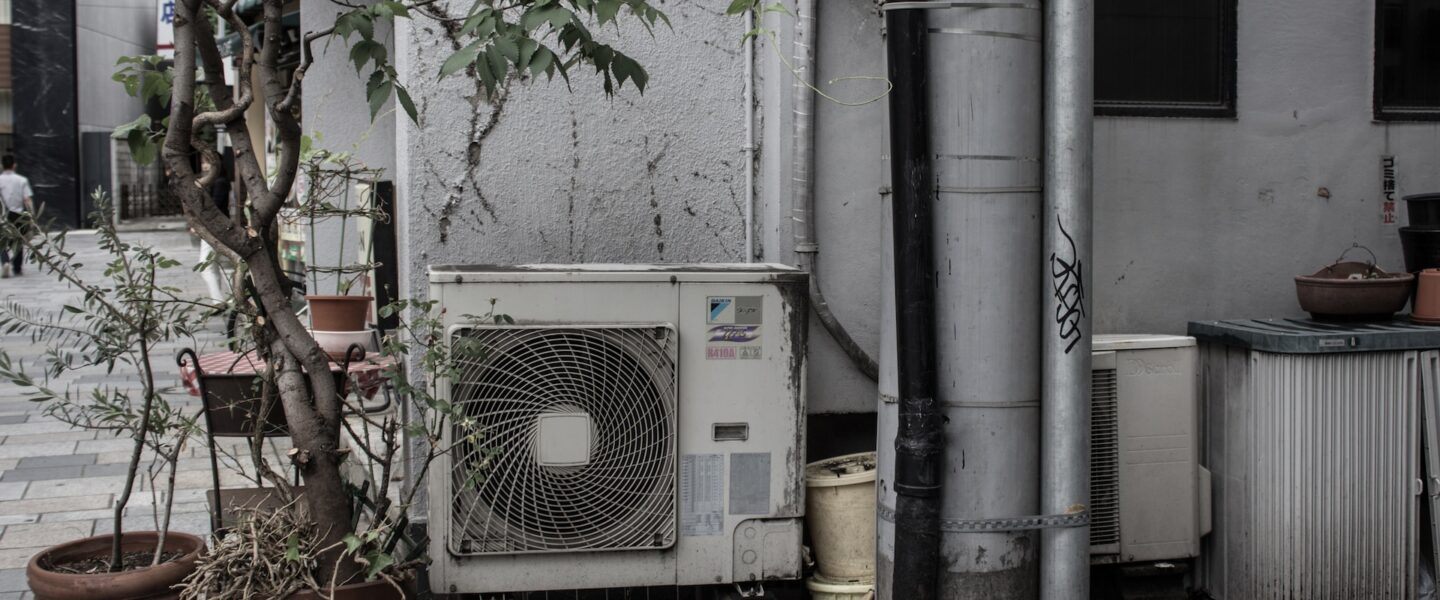
Heating and cooling your home can account for much of your energy bills. Fortunately, there are several strategies you can implement to lower your HVAC (Heating, Ventilation, and Air Conditioning) costs while maintaining a comfortable indoor environment. Here are valuable energy-saving tips to help you reduce your HVAC expenses and save money on your energy bills.
1. Regular HVAC Maintenance
Scheduled maintenance is essential to ensure your HVAC system operates efficiently. Consider scheduling professional maintenance at least once a year to clean filters, check for leaks, and optimize performance. Regular maintenance can prevent costly breakdowns and improve energy efficiency.
2. Change Air Filters
Dirty or clogged air filters can restrict airflow, causing your HVAC system to work harder and consume more energy. Check and replace your air filters regularly, typically every 1 to 3 months, to maintain proper airflow and reduce energy waste.
3. Install a Programmable Thermostat
A programmable thermostat lets you set temperature schedules that align with your daily routine. You can lower the temperature when you’re away from home or sleeping and increase it when you’re active. This minimizes energy consumption when unnecessary, resulting in significant savings.
4. Seal Leaks and Insulate
Proper insulation and sealing gaps and leaks in your home’s envelope can prevent conditioned air from escaping and outdoor air from entering. Insulate attics, walls, and floors, and use weatherstripping and caulk to seal gaps around windows, doors, and ducts.
5. Utilize Ceiling Fans
Ceiling fans can help distribute conditioned air more evenly throughout your home. In the winter, set your fan to run clockwise at a low speed to push warm air down from the ceiling. In the summer, run the fan counterclockwise to create a cooling breeze.
6. Close Curtains and Blinds
During hot summer days and cold winter nights, keep curtains and blinds closed to prevent heat gain or loss through windows. On sunny winter days, open curtains to let in natural warmth and close them at night to trap heat indoors.
7. Consider Zone Heating and Cooling
If possible, implement zone heating and cooling by using programmable thermostats or ductless mini-split systems. This allows you to heat or cool only the areas of your home that are in use, reducing energy waste in unoccupied spaces.
8. Upgrade to Energy-Efficient HVAC Equipment
If your HVAC system is outdated, consider upgrading to energy-efficient models with high SEER (Seasonal Energy Efficiency Ratio) ratings. Newer systems are designed to use less energy while providing the same level of comfort.
9. Reduce Heat-Generating Activities
Avoid heat-generating activities during the hottest parts of the day, such as using the oven or dryer. Instead, schedule these tasks for the cooler hours of the morning or evening to reduce the load on your HVAC system.
10. Regularly Check Ductwork
Inspect your ductwork for leaks and damage. Sealing and insulating ducts can prevent conditioned air from escaping and save energy. Consider professional duct cleaning and sealing services to improve efficiency further.
Lowering HVAC Costs for a Greener Home
Lowering your HVAC costs not only saves you money but also reduces your environmental impact by conserving energy. By implementing these energy-saving tips, you can enjoy a comfortable home while keeping your heating and cooling expenses in check. Take proactive steps to make your HVAC system more efficient and contribute to a greener and more sustainable future.